AppSignal
APM software is a different kind of design challenge. You're working on tooling that developers use to understand what's going wrong in their applications. Errors, performance issues, anomalies in logs. Complex stuff, even for the developers who use it every day. As a designer, you can't just look at the interface. You have to actually understand what's happening under the hood.
To get there, I started building fictional apps with AI that replicated real scenarios. Triggering actual errors, creating performance bottlenecks, watching how they surfaced in the product. It was the only way to really understand what developers experienced when they opened AppSignal. You can't design for a world you don't understand.
More than just design
My role at AppSignal was about more than shipping screens. A big part of my work was about structure, process, and finding better ways to work. How do we validate ideas faster? How do we make sure developers and designers are actually aligned? How do we use AI not as a gimmick, but as a real part of the workflow?
Part of that was bringing the rest of the design team along. I introduced the AI-first way of working to the other designers, showed them how to think about it, and helped them get comfortable with a fundamentally different approach to the design process. Not just "use this tool" but actually rethinking what designing a feature even means when you can build it yourself.
Designing in code, not in Figma
When I joined, user research was done with clickable prototypes. And it showed. Participants didn't recognize the environment, and 90% of the interface wasn't actually clickable. The feedback you got was about the prototype, not the product.
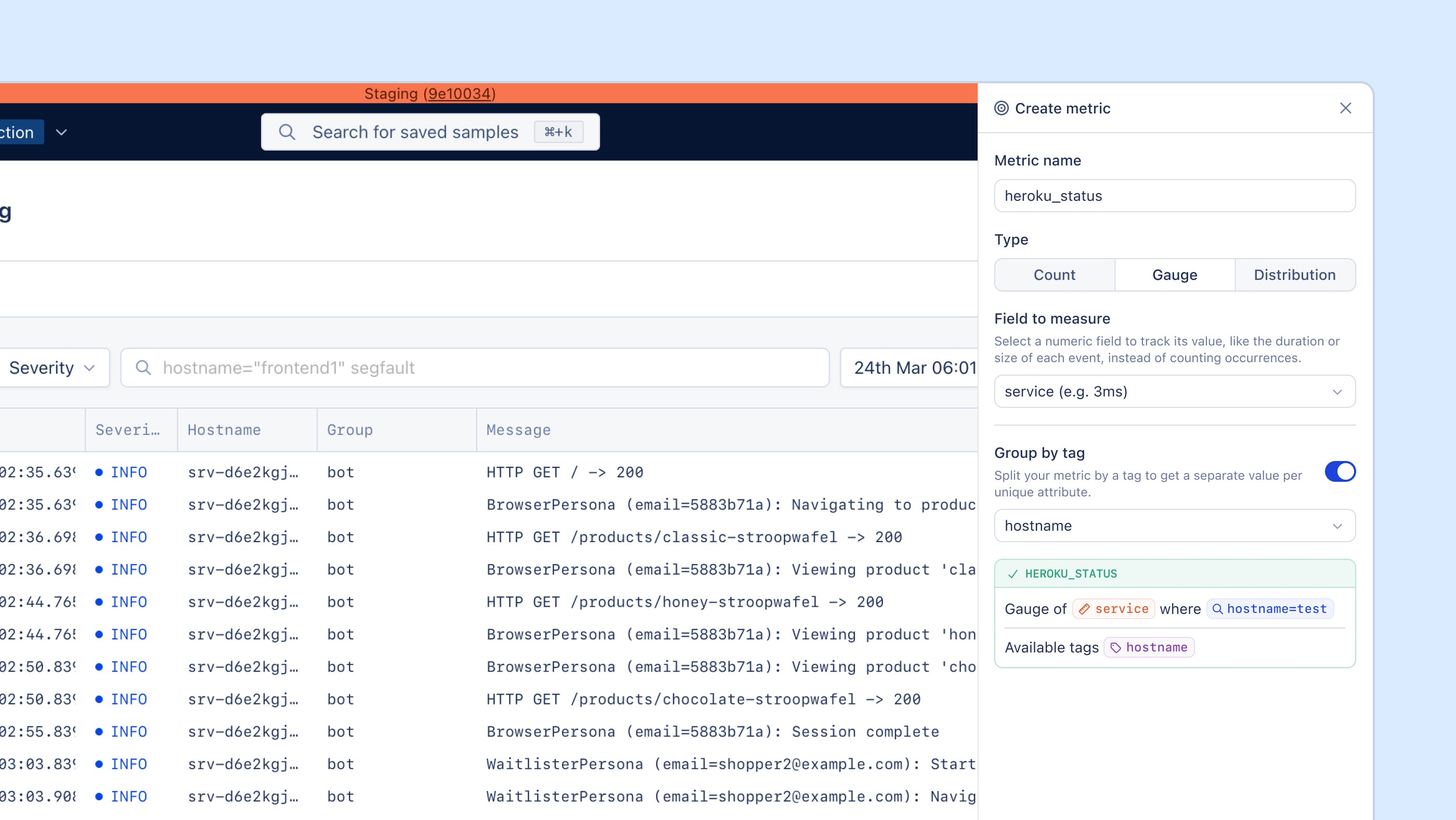
I changed that. I introduced a way of working where design ideas were built out directly in the codebase with Claude Code, rather than handed off as a Figma file. Usually starting with a quick sketch to get the idea out of my head, then shaping the actual feature in code. Real interactions, real data, real product. During research sessions, users could use the software exactly as they normally would. Sometimes they didn't even realize something was different. For a designer, that's about the best compliment you can get.
The handoff to developers changed completely too. Instead of a Figma file with missing edge cases and outdated screens, I'd open a PR on GitHub with video recordings explaining the feature. Developers could actually experience the idea rather than interpret a static file. And because I'd built it myself, roughly 95% of edge cases were already covered before they touched a single line of code.
This way of working is now the standard at AppSignal. Something I introduced and drove from the ground up. We verify ideas faster than ever, sometimes before we've even touched a design tool. It lets the whole team quickly understand if we're on the right track without committing to something that might not work.